
What is peace?
A big question! Peace means different things to different people. Peace can be a state of being, a place, a sound or a person. It is often a mix of many things that add up to peace. What is it for you?

Many learned and experienced people agree that there is no one definition of peace. Though many words have been dedicated to trying.

One concept of peace we like and work towards is that of positive peace: the presence of peaceful beliefs and behaviours, cultivating values such as inclusion, participation, justice, equity and equality – as well as the absence of violence and aggression.
Peace is much more than being free of war – it is something added, something we must actively build and nurture. Lasting peace needs the removal not only of direct violence but also of indirect structural and cultural violence. We need to consciously make and build peace and justice in addition to peacekeeping.
We have evolved our own vision of different aspects of peace which looks at cultivating different knowledge, skills and attitudes for developing the aspects of nurturing personal peace, developing peaceful relationships and building peaceful communities.
What is peace education?
Peace education, or education for peace, is the explicit teaching of those attitudes, skills and knowledge needed for peace.

The General Assembly of the United Nations defines a culture of peace as ‘all the values, attitudes and forms of behaviour that reflect respect for life, for human dignity and for all human rights, the rejection of violence in all its forms and commitment to the principles of freedom, justice, solidarity, tolerance and understanding between people’.
To build this culture of peace, the United Nations has called on every country to ‘ensure that children, from an early age, benefit from education to enable them to resolve any dispute peacefully and in a spirit of respect for human dignity and of tolerance’.
Peace education empowers learners to understand the importance of cooperation, empathy and social responsibility. It is a proactive approach to peace building. It’s about learning, practising, exploring and living peace in everyday life.
Peace at the Heart, a report about the role of peace education in UK schools, emphasises the important role of relationships in peace education. Relationships at multiple levels – personal, peer, community and societal – influence children’s learning and development.
Why does peace education matter?
The skills associated with peace help with a range of issues we face as individuals and as communities.

The consequences of a lack of peacemaking and peacebuilding skills in our society are wide-ranging and deeply felt. Conflict is entrenched in our communities and touches every aspect of children and young people’s lives – from their homes and schools to their relationships and wider communities.
Conflict in the home is a significant contributor to youth homelessness, with devastating lasting impacts on health, wellbeing and stability. Stark research indicates that one in five young people have considered leaving home because of monthly arguments, while 39% of young people and 62% of parents or carers report that conflict at home occurs at least once a week.
Peer conflict in schools often leads to stress, anxiety, and deteriorating mental health. Within schools, a lack of emotional and social skills contributes to rising exclusions – with the most disadvantaged hardest hit – which carry long-term, life-changing consequences for young people. Additionally, worrying statistics highlight that 22% of children have been bullied at school within the last 12-months and only 39% of pupils feel safe at school every day.
Beyond the school gates, community tensions and polarisation – whether racial, cultural, or ideological – are escalating. Entrenched bias and prejudice can lead to exclusion, discrimination, and even direct violence, with one in four children having either been a victim or perpetrator of violence and almost half having witnessed violence during the past year.
Many young people feel helplessness in the face of societal challenges, lacking the tools or voice to create meaningful change. Seven in ten young people in the UK either think that their voices go unheard, or that their voices are heard but ignored.
So, peace education is not a luxury – it is a necessity.
We must act now to tackle conflict, division and inequality within society.
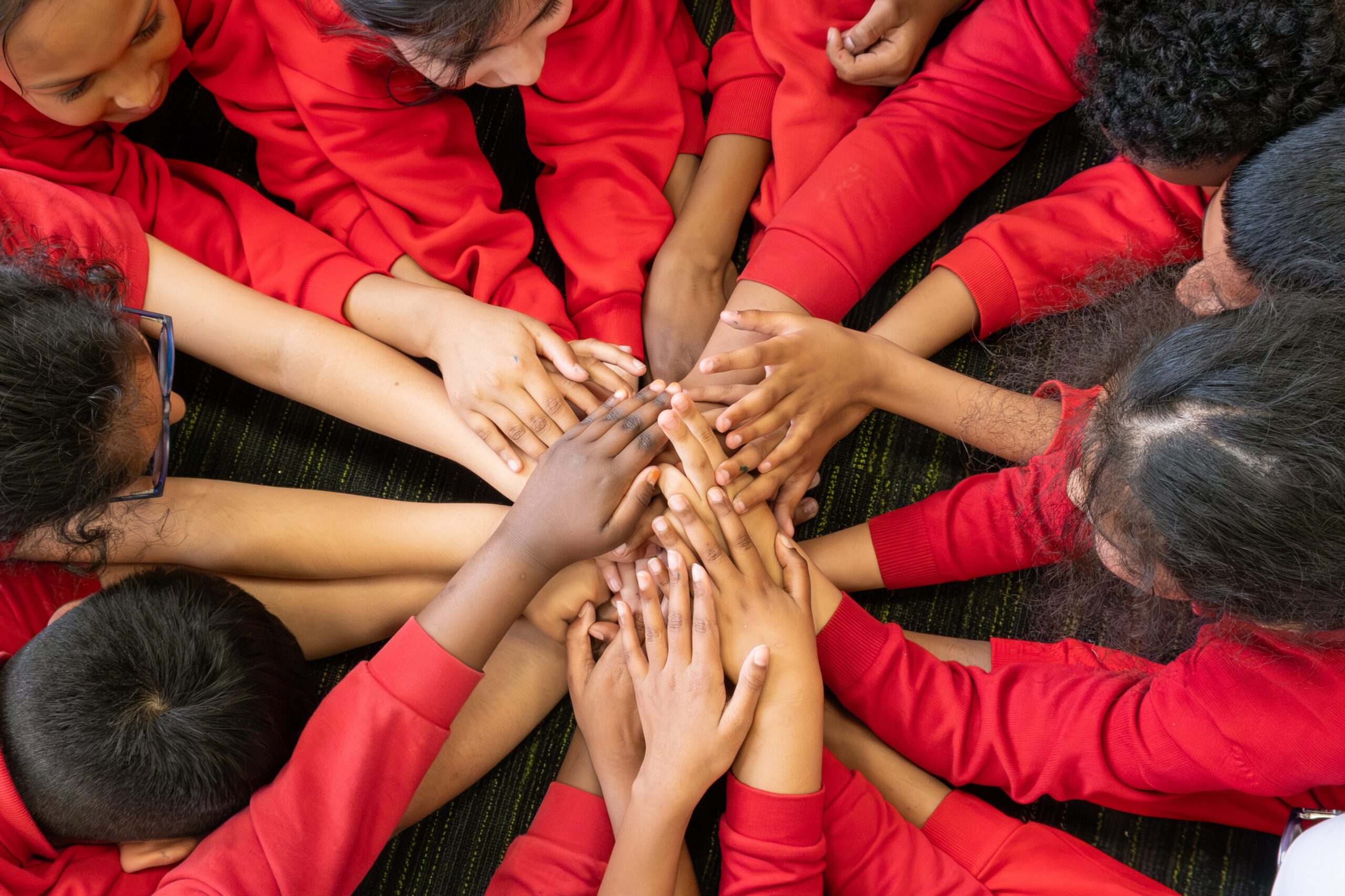
Peace education promotes well-being and mental health. The impact of poor mental health on our society is well documented:
These issues show why we have an ever increasing need for peace education skills:
Where does peace education fit into the curriculum?

Just like we teach the building blocks of English and Maths, children can learn the fundamental skills they need to build peace – and schools and teachers can get support to help nurture these skills. Peace education supports staff to reflect on their practice and their interactions with children to create peaceful communities.
A number of statutory elements fit well with peace edcaution, as outlined below. These encourage schools to think about hte kind of people we aspire to be, the kind of world we aspire to create and the kind of education we aspire to provide. Additional programmes and projects the school takes on prepare their childrne for life and work and also support peace education. These include UNICEF Rights Respecting Schools Award, Eco Schools Award and Global Citizenship to name but a few.
Across the four nations of the United Kingdom peace education can complement the national curricula.
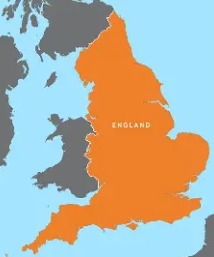
In England peace education works well with the Personal, Social and Health Education (PSHE) and Relationships Education requirements. It helps fulfil requirements for Social, Moral, Spiritual and Cultural education and supports the Personal Development strand of the Ofsted framework.
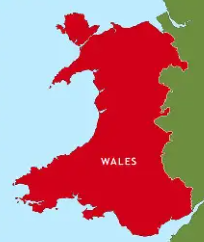
In Wales peace education supports skills integral to each of the four purposes of education. Positive relationships are crucial.
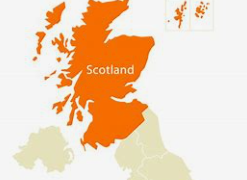
In Scotland the purpose of the curriculum is encapsulated in the four capacities and skills of peace education are key to success in each. Health and wellbeing are key to children’s success.
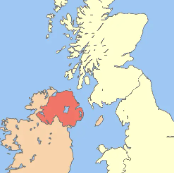
The Northern Ireland Curriculum supports whole curriculum thinking skills and personal capabilities and personal development and mutual understanding. These mirror skills of peace education.
Peace education can be developed throughout the curriculum and opportunities can be found in each area. This document has some examples of how peace education can be integrated into the curriculum